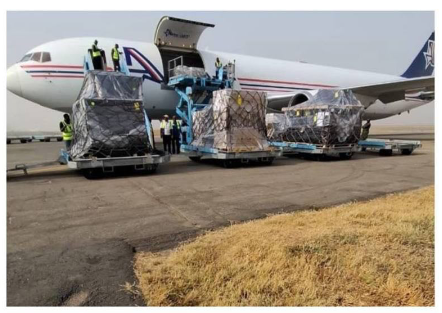
U.S. Delivers Critical Military Supplies to Boost Nigeria’s Security Operations
In a significant move highlighting the deepening security cooperation between the United States and Nigeria, U.S. forces have delivered crucial military supplies to Nigerian partners in Abuja. The delivery, confirmed via official social media channels, is aimed at strengthening Nigeria’s ongoing security operations and reaffirming the shared commitment between the
In a significant move highlighting the deepening security cooperation between the United States and Nigeria, U.S. forces have delivered crucial military supplies to Nigerian partners in Abuja. The delivery, confirmed via official social media channels, is aimed at strengthening Nigeria’s ongoing security operations and reaffirming the shared commitment between the two nations to combat threats to stability and peace in the region.
The shipment, coordinated by the U.S. Africa Command (AFRICOM), represents a tangible demonstration of the strategic partnership between the two countries. According to statements from the U.S. Embassy in Nigeria, the supplies delivered are intended to enhance Nigeria’s operational capabilities, particularly in the face of escalating security challenges posed by insurgent groups, organized criminal networks, and other threats to civilian safety and national infrastructure.
Security analysts describe this assistance as both timely and critical. Nigeria has faced increasing pressure from armed groups in the northeast, where decades-long insurgency activities have displaced millions and disrupted livelihoods. The infusion of resources from the U.S. is expected to bolster the Nigerian military’s ability to respond effectively to these threats, enhance operational efficiency, and support ongoing initiatives to restore peace in affected regions.
While the U.S. has historically maintained a cooperative security relationship with Nigeria, this recent delivery underscores a renewed focus on providing practical support in the form of supplies, equipment, and logistical aid. Officials note that the partnership extends beyond mere material support, encompassing training programs, intelligence sharing, and collaborative planning to address emerging security threats. By supplying critical military equipment, the U.S. demonstrates not only solidarity with Nigeria but also a commitment to regional stability across West Africa.
Details of the specific contents of the delivery have not been publicly disclosed, but observers suggest that the materials likely include communications equipment, surveillance tools, protective gear, and other items designed to improve operational effectiveness in challenging environments. These resources are anticipated to be integrated into ongoing Nigerian operations, enhancing the capacity of troops on the ground to conduct patrols, secure vulnerable areas, and respond swiftly to incidents.
The timing of this delivery coincides with heightened concerns about cross-border threats and the need for increased coordination among West African nations to combat terrorism, banditry, and other forms of organized crime. Experts point out that Nigeria’s security challenges are complex and multifaceted, requiring sustained collaboration and investment from both domestic and international partners. In this context, the U.S. delivery signals an understanding of the urgency and scale of the security situation.
Officials from the Nigerian government have expressed appreciation for the U.S. support, highlighting the importance of international collaboration in addressing the nation’s security needs. Statements from Abuja indicate that the supplies will complement ongoing operations and contribute directly to the protection of citizens and critical infrastructure. The Nigerian military has also emphasized that these measures are part of a broader strategy to enhance operational readiness and strengthen national security across multiple fronts.
Beyond the immediate operational benefits, the delivery carries symbolic weight in demonstrating the enduring partnership between Nigeria and the United States. Analysts note that such initiatives serve to reinforce trust, coordination, and strategic alignment, ensuring that both nations remain united in their efforts to tackle security challenges that transcend national borders. The collaboration reflects a shared commitment to promoting stability, protecting human lives, and enabling conditions for sustainable development in regions affected by insecurity.
Social media posts from the U.S. Embassy and AFRICOM highlighted the collaborative nature of the operation. In a brief statement, the U.S. emphasized that the delivery “supports Nigeria\'s ongoing operations and emphasizes our shared security partnership,” signaling that the assistance is not merely transactional but rooted in a broader vision of joint responsibility and mutual support. This approach is consistent with the U.S. policy of working alongside African partners to build capacity, strengthen governance, and address both immediate and long-term security challenges.
The delivery also raises questions about the evolving dynamics of international security assistance in Africa. Experts note that military aid, when aligned with clearly defined strategic objectives and coupled with oversight, can significantly enhance the capabilities of partner nations. In Nigeria’s case, the infusion of critical supplies is expected to complement other initiatives, including community engagement, intelligence-driven operations, and efforts to strengthen civil-military coordination. Such a holistic approach is seen as essential to achieving sustainable peace and security in regions long affected by instability.
While the immediate focus is on operational support, the broader implications of the U.S. assistance are far-reaching. By investing in Nigeria’s security capabilities, the United States is signaling its commitment to regional peace and the protection of democratic institutions. This support aligns with ongoing international efforts to strengthen multilateral cooperation, enhance intelligence sharing, and foster a culture of resilience against security threats across West Africa.
Observers also note that the delivery could have a positive impact on morale within the Nigerian military. Access to modern equipment and logistical support can improve confidence, enhance efficiency, and enable forces to perform their duties with greater effectiveness. In turn, this can contribute to a more stable security environment, creating conditions for economic growth, social development, and improved quality of life for citizens in affected areas.
The U.S.-Nigeria security partnership, exemplified by this delivery, is not limited to short-term measures. Long-term collaboration includes initiatives such as joint training exercises, leadership development programs, and the provision of technical expertise to ensure that Nigeria’s forces are well-equipped to face evolving threats. By combining material support with capacity-building efforts, the partnership aims to create a resilient and self-reliant security apparatus capable of addressing both current and future challenges.
As the supplies are integrated into ongoing operations, both U.S. and Nigerian officials stress the importance of continued coordination and monitoring. Ensuring that resources are used effectively and reach areas of greatest need remains a priority. Transparency, accountability, and strategic planning are key elements in maximizing the impact of international assistance, and both nations are reportedly committed to maintaining these standards.
In conclusion, the delivery of critical military supplies by U.S. forces to Nigeria represents a significant step in strengthening the bilateral security partnership and enhancing Nigeria’s operational capabilities. As the nation continues to face complex security challenges, the support underscores the importance of international collaboration, strategic investment, and shared responsibility in promoting peace and stability. With these efforts, Nigeria is better positioned to protect its citizens, secure its borders, and contribute to regional security, while the United States demonstrates its commitment to supporting African partners in the pursuit of lasting peace and development. The joint effort serves as a reminder that in an interconnected world, security is a shared endeavor, and partnerships built on trust, resources, and expertise remain essential to confronting global threats.
Share this post
Related Posts

Burkina Faso’s 37-Year-Old President Ibrahim Traoré Stuns Football Legends with Hat-Trick in Charity Match
In an extraordinary display of skill, Burkina Faso’s 37-year-old President Ibrahim Traoré made headlines after...

“Love Looks Good on Them!” — Senator Natasha Akpoti-Uduaghan Melts Hearts with Adorable Photos of Her and Husband
In a refreshing break from the usual political buzz and Senate hall debates, Senator Natasha...

Eight Months After Saying “I Do,” a Young Soldier’s Promise Is Cut Short in Boko Haram IED Attack That Killed Nine Troops in Borno
Eight months after celebrating his wedding and beginning what friends described as the happiest chapter...