Tinubu and Kagame’s Paris Lunch Sparks Quiet Diplomacy Talk Across Africa
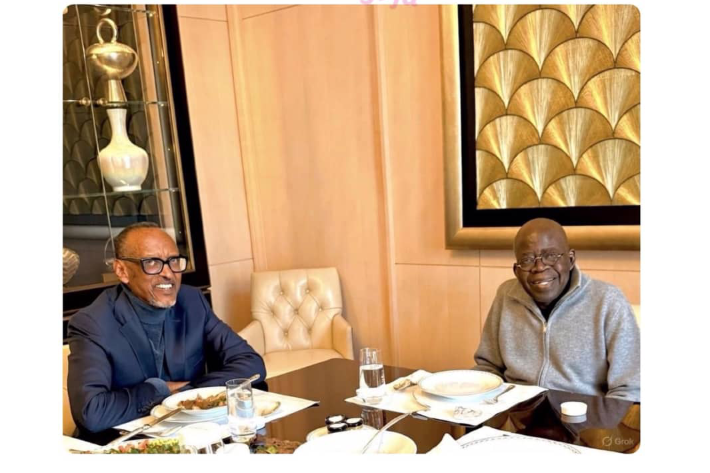
A photograph showing Nigerian President Bola Ahmed Tinubu and Rwandan President Paul Kagame sharing lunch in Paris has ignited widespread conversation across diplomatic and political circles, with observers reading deep symbolism into what appeared, at first glance, to be a simple meeting between two African leaders outside the continent. The
A photograph showing Nigerian President Bola Ahmed Tinubu and Rwandan President Paul Kagame sharing lunch in Paris has ignited widespread conversation across diplomatic and political circles, with observers reading deep symbolism into what appeared, at first glance, to be a simple meeting between two African leaders outside the continent. The image, circulated widely on social media and picked up by political commentators, shows both presidents seated calmly, engaged in what aides described as discussions on global affairs, Africa’s place in a shifting world order, and opportunities for stronger cooperation between African states.
Though no formal communique was immediately released, the informal setting of the lunch has itself become part of the story. In a world where international relations are often conducted behind closed doors and announced through carefully worded statements, the visual of Tinubu and Kagame in a relaxed Parisian setting suggested a more personal and strategic exchange. Analysts say such encounters, while unofficial in tone, often lay the groundwork for more concrete engagements in the future, particularly among leaders known for their strong political instincts and influence within their regions.
President Tinubu, who has been increasingly active on the international stage since assuming office, has made economic diplomacy and global re-engagement key pillars of his foreign policy. His meetings with world leaders have largely focused on repositioning Nigeria as a serious economic destination, strengthening bilateral ties, and asserting the country’s leadership role in Africa. Sitting down with President Kagame, one of Africa’s most talked-about reformist leaders, fits into that broader narrative of building strategic alliances beyond formal summits.
For President Kagame, whose leadership of Rwanda has drawn both praise and criticism globally, the lunch meeting added to his image as a statesman deeply involved in continental and global issues. Kagame has long positioned himself as a voice for African self-reliance, institutional reform, and a more assertive African presence in global decision-making. His engagements with fellow African leaders outside the continent are often interpreted as efforts to align perspectives on development, security, and Africa’s relationship with Western powers.
Paris, as the backdrop for the meeting, also carries its own diplomatic weight. France remains a key player in African affairs, with historical ties that continue to shape politics, economics, and security discussions across the continent. The choice of location has fueled speculation that the leaders’ discussion may have touched on Africa–Europe relations, the evolving role of former colonial powers, and the need for African countries to negotiate from positions of unity rather than fragmentation.
Political watchers note that both Nigeria and Rwanda occupy unique but influential positions in Africa. Nigeria, Africa’s most populous country and one of its largest economies, wields significant soft power and regional influence, particularly in West Africa. Rwanda, though smaller, has built a reputation for efficiency, rapid development, and assertive diplomacy, often punching above its weight in continental and global conversations. A closer alignment of perspectives between the two leaders could have implications for how African blocs engage with issues such as trade, security cooperation, and institutional reform within the African Union.
The image also resonated strongly with ordinary Africans online, many of whom interpreted it as a refreshing moment of African leaders engaging as equals on the global stage, rather than being summoned to meetings dominated by non-African powers. Comments across social media platforms reflected a mix of curiosity, optimism, and scrutiny, with users debating what the meeting could mean for Africa’s future and whether it would translate into tangible benefits back home.
While neither presidency disclosed the full details of the conversation, sources familiar with diplomatic engagements of this nature say discussions likely ranged from global economic uncertainty and geopolitical tensions to Africa’s internal challenges, including security threats, youth unemployment, and the need for intra-African trade. Both leaders have previously emphasized the importance of African solutions to African problems, making it likely that the Paris lunch touched on strategies for strengthening continental cooperation in a rapidly changing world.
The timing of the meeting is also notable. The global order is under strain, with conflicts, economic disruptions, and shifting alliances forcing nations to rethink their foreign policies. African countries, in particular, are navigating a complex landscape where they must balance relationships with traditional partners while exploring new opportunities and asserting greater autonomy. A quiet but high-level exchange between Tinubu and Kagame fits into this broader recalibration.
Domestically, the meeting has prompted discussions in Nigeria about Tinubu’s growing international profile and what it could mean for the country’s standing abroad. Supporters argue that such engagements enhance Nigeria’s visibility and open doors for investment and cooperation, while critics insist that foreign diplomacy must ultimately translate into measurable improvements in the lives of citizens. Similar debates have emerged in Rwanda, where Kagame’s international engagements are often closely watched for their impact on national development and global perception.
Diplomatic experts caution against overinterpreting a single photograph but acknowledge that symbolism matters in international relations. Images of leaders, especially in informal settings, can send powerful messages about mutual respect, shared priorities, and potential alignment. In this case, the calm and cordial demeanor of both presidents suggested a meeting of minds, or at least a willingness to listen and exchange ideas without the pressures of formal protocol.
As Africa continues to assert itself in global affairs, moments like this Paris lunch underscore a growing trend of intra-African dialogue beyond official conferences and summits. Leaders are increasingly engaging each other directly, building personal rapport that can later influence policy decisions and regional cooperation. Whether the Tinubu–Kagame discussion will lead to concrete initiatives remains to be seen, but the attention it has drawn highlights the appetite for stronger, more visible African leadership on the world stage.
For now, the photograph stands as a snapshot of quiet diplomacy, capturing two influential African presidents in conversation about world affairs far from home, yet firmly rooted in the shared challenges and aspirations of their continent. In an era where every gesture is scrutinized, the Paris lunch has become more than just a meal, it is a moment that reflects Africa’s ongoing search for unity, relevance, and influence in a complex global landscape.
Share this post
Related Posts
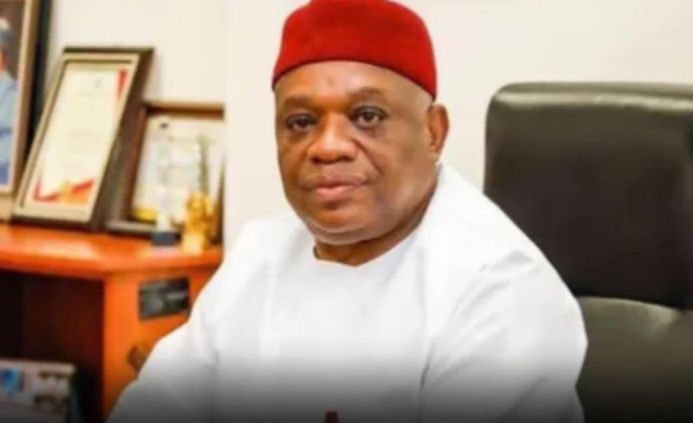
Senator Orji Uzor Kalu Alleges Some Nigerian Pilots Smoke Indian Hemp Before Flights, Urges Swift Government Action
Nigeria’s aviation industry was thrown into controversy on Wednesday following a startling allegation by former...
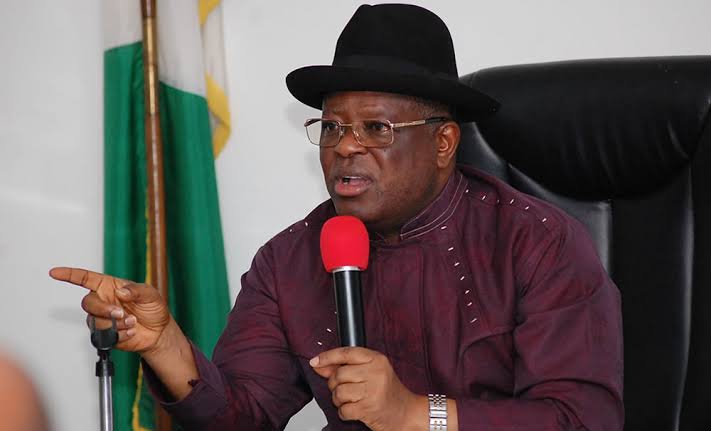
Independence Bridge Reopens in Lagos: A Milestone for Traffic Relief in Nigeria’s Busiest City
On April 4, 2025, a significant development unfolded in Lagos, Nigeria, as the Minister of...
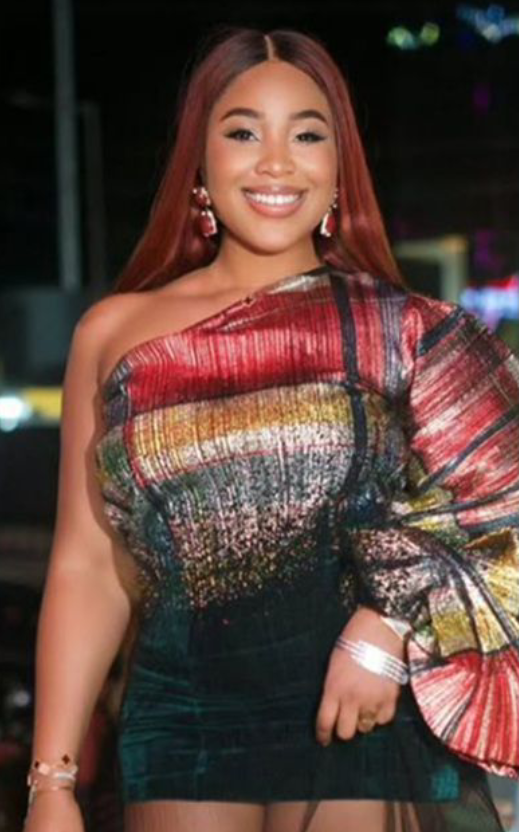
Erica Fires Back with Grace and Class After Troll Mocks Her Outfit at Public Event
BBNaija star Erica Nlewedim has once again proven why she remains one of the most...