Nigeria Set to Become Africa’s First Electric Vehicle Manufacturing Hub
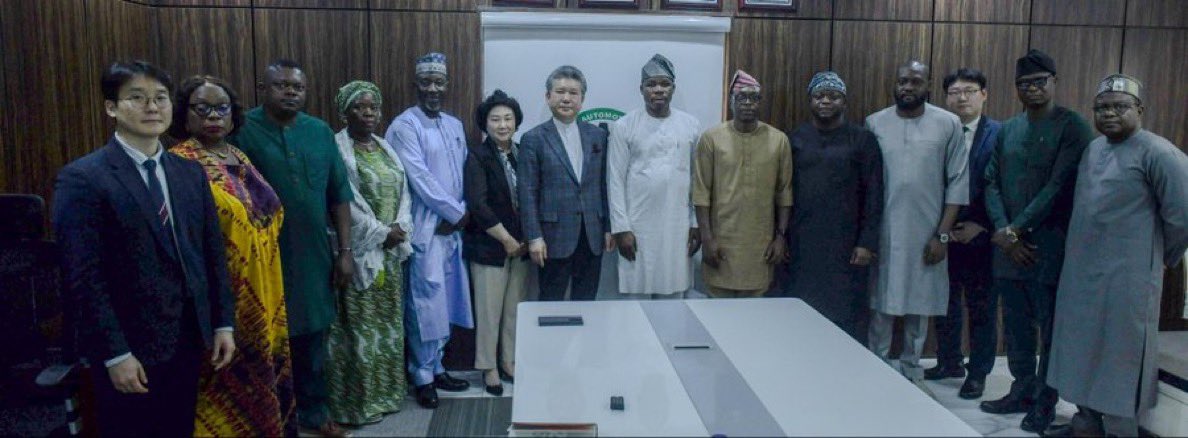
In a historic move that could redefine Africa’s automotive and energy sectors, Nigeria is on the brink of becoming the first country on the continent to manufacture electric vehicles. The Federal Government recently announced the signing of a Memorandum of Understanding (MOU) with South Korea’s Asia Economic Development Committee, signaling
In a historic move that could redefine Africa’s automotive and energy sectors, Nigeria is on the brink of becoming the first country on the continent to manufacture electric vehicles. The Federal Government recently announced the signing of a Memorandum of Understanding (MOU) with South Korea’s Asia Economic Development Committee, signaling a bold leap toward a future driven by clean, sustainable transportation and advanced industrialization.
The announcement has sent waves of excitement through Nigeria’s industrial and technological communities. Officials described the project as a strategic initiative to diversify the economy, create high-skilled jobs, and position Nigeria as a continental leader in green technology. While electric vehicles have long been associated with wealthier nations, Nigeria’s move signals a shift in the global automotive landscape, showing that African countries are not just consumers of technology but can also become innovators and producers.
The planned EV manufacturing plant will reportedly be equipped with state-of-the-art technology for assembling electric vehicles, battery production, and supporting infrastructure. Sources close to the project revealed that the facility will produce several models of electric cars, including both personal vehicles and commercial fleet options. The plant will also be integrated into a larger ecosystem of renewable energy projects, including solar-powered charging stations and local battery recycling units, aiming to minimize environmental impact and ensure sustainability.
The MOU with South Korea is particularly significant because it brings in expertise from one of Asia’s leading technology hubs. South Korea has been at the forefront of electric vehicle innovation, particularly in battery technology, autonomous driving, and smart mobility solutions. Through this partnership, Nigeria is expected to benefit from knowledge transfer, workforce training programs, and access to advanced research and development techniques. Analysts believe this collaboration could accelerate Nigeria’s entry into a highly competitive global EV market, potentially attracting further international investment.
President Bola Ahmed Tinubu, speaking at a briefing following the signing of the MOU, emphasized the transformative potential of the project. “This initiative is not just about manufacturing cars,” he stated. “It is about positioning Nigeria as a technological hub, creating jobs, boosting our industrial base, and contributing to global efforts to reduce carbon emissions. Africa has immense potential, and this project is a bold step toward realizing that potential.”
Industry experts suggest that the project could have far-reaching economic and social benefits. Electric vehicles are less dependent on imported fossil fuels, which could help Nigeria reduce its import bills while also promoting cleaner urban environments. The development of local EV infrastructure is also expected to spur innovation across sectors such as energy, logistics, and smart mobility. Moreover, by establishing local supply chains for components like batteries, motors, and electronic systems, Nigeria could reduce its reliance on foreign imports and cultivate a homegrown industry that creates skilled employment opportunities.
The government has also outlined plans for nationwide infrastructure development to support the new electric vehicle ecosystem. This includes deploying an extensive network of charging stations in major cities, highways, and industrial hubs. These stations will utilize renewable energy sources to ensure sustainability, marking a significant step toward reducing the country’s carbon footprint. Urban planners and environmental advocates have hailed the move as a critical milestone in Nigeria’s climate action strategy, highlighting the dual benefits of technological advancement and environmental stewardship.
However, while the announcement has been met with optimism, some experts caution that the initiative will face several challenges. Infrastructure gaps, inconsistent power supply, and the high cost of EV components could slow initial progress. Additionally, widespread adoption of electric vehicles will require public awareness campaigns and financial incentives to encourage consumers and businesses to transition from traditional fossil-fuel vehicles. Policymakers have acknowledged these hurdles and indicated that supportive policies, tax breaks, and financing options will be put in place to accelerate adoption and make electric vehicles more accessible to the average Nigerian.
The timing of Nigeria’s EV initiative is strategic. Across the globe, governments are accelerating the shift to electric mobility as part of efforts to combat climate change and achieve net-zero emission targets. Africa, which has often been overlooked in the global EV revolution, now has an opportunity to become a leader in this emerging sector. By taking the first step with an indigenous manufacturing plant, Nigeria could set a precedent for other African countries, inspiring a regional movement toward green transportation and renewable energy solutions.
Economic analysts are particularly bullish on the potential investment returns. The EV market is projected to grow exponentially over the next decade, and Nigeria’s first-mover advantage could attract partnerships with global automotive brands, technology companies, and venture capitalists looking to enter the African market. Local suppliers and small businesses are also expected to benefit from the emerging EV value chain, creating a ripple effect across manufacturing, logistics, and service sectors.
Beyond the economic and technological benefits, the project also carries symbolic significance. For years, Nigeria has been seen primarily as a consumer market rather than a producer of high-tech goods. By building Africa’s first EV manufacturing plant, the country is sending a message that it is ready to compete on the global stage in innovation, sustainability, and industrial capability. The project also reinforces Nigeria’s commitment to the African Continental Free Trade Area (AfCFTA), potentially opening doors for exports of electric vehicles and related technology across the continent.
Public reaction to the announcement has been largely positive, with social media buzzing with excitement over Nigeria’s potential to lead Africa into a new era of clean mobility. Youth groups, technology enthusiasts, and environmental advocates have praised the government’s vision, emphasizing that such initiatives could inspire a generation of engineers, scientists, and entrepreneurs to pursue careers in green technology.
As the project moves from planning to implementation, all eyes will be on how quickly Nigeria can transform this ambitious vision into a tangible reality. While challenges remain, the combination of government commitment, international expertise, and local talent provides a solid foundation for success. If executed effectively, Nigeria could emerge not only as Africa’s first EV manufacturing hub but also as a global contender in the electric vehicle market.
The journey ahead is undoubtedly complex, but the potential rewards are enormous. Nigeria’s electric vehicle initiative represents more than just cars on the road—it symbolizes a shift toward sustainable development, technological empowerment, and economic diversification. With determination, strategic partnerships, and careful execution, Nigeria could soon be celebrated as the continent’s green mobility pioneer, leading Africa into an electrified future.
In a continent often characterized by reactive policy and delayed industrialization, Nigeria’s move could mark a turning point, demonstrating that Africa can lead in technological innovation, environmental stewardship, and economic transformation. The wheels of change are set in motion, and for Nigeria, the road ahead promises to be electrifying.
Share this post
Related Posts
“Nigeria Is Bleeding Under APC Rule”— Baba-Ahmed Warns of Grim Future Ahead
As Nigerians continue to grapple with economic hardship, insecurity, and a deepening sense of national...

Anthony Joshua Stands With Grieving Families as Funeral Prayers Hold at Regent’s Park Mosque
A quiet but deeply emotional atmosphere settled over London’s Regent’s Park on the day friends,...

UCL: Courtois Declares Full Fitness Ahead of Arsenal Clash – What It Means for Real Madrid
Real Madrid’s world-class goalkeeper, Thibaut Courtois, has announced that he is fully fit and ready...