“More Than a Certificate: Why Nigerians Still Celebrate Weddings Like Sacred Milestones”
A familiar cultural debate resurfaced on Nigerian social media this week after a self-described feminist questioned why Nigerians appear to spend far more energy and money celebrating weddings than graduations. The comment, which quickly gained traction online, reignited long-standing conversations about values, priorities, and what society chooses to publicly honour.
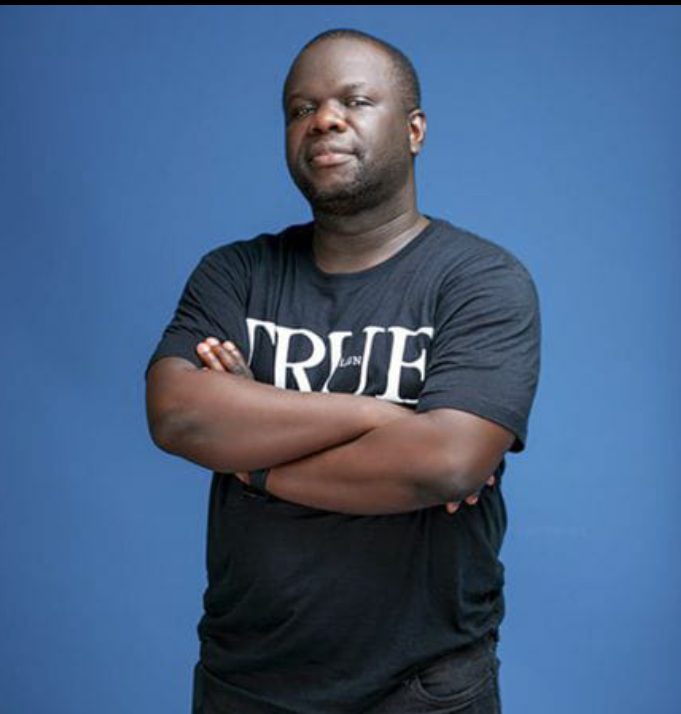
A familiar cultural debate resurfaced on Nigerian social media this week after a self-described feminist questioned why Nigerians appear to spend far more energy and money celebrating weddings than graduations. The comment, which quickly gained traction online, reignited long-standing conversations about values, priorities, and what society chooses to publicly honour. Among those who weighed in was popular on-air personality Osi Suave, whose thoughtful response struck a chord with many Nigerians and reframed the discussion beyond hashtags and hot takes.
In a reflective post that has since been widely shared, Osi Suave rejected the idea that weddings are overrated or undeserving of the grandeur often attached to them. Drawing from personal experience, he argued that no academic achievement or professional milestone in his life matched the emotional gravity of his wedding day. According to him, while degrees, titles, and applause-filled rooms represent success within structured systems, walking down the aisle represented something deeper and more enduring: a public commitment to responsibility, continuity, and love.
His words arrived at a time when social media debates are increasingly shaped by what he described as “pseudo-intellectualism,” a tendency to appear profound by dismissing long-held cultural meanings. Osi Suave acknowledged the importance of education, noting that degrees refine the mind and prepare individuals for the world. However, he pushed back against the idea that academic milestones and marriage carry the same emotional and cultural weight, arguing that such comparisons ignore the foundational role marriage has historically played in society.
The original criticism that sparked the conversation suggested that Nigerians should celebrate graduations with the same enthusiasm as weddings, especially considering the years of effort, financial strain, and emotional toll required to earn a degree. Many online agreed, pointing out that education often represents personal sacrifice, resilience, and upward mobility, particularly in a country where access to quality schooling is uneven and opportunities are fiercely competitive. For these voices, the lavishness of weddings sometimes feels excessive, especially when contrasted with the relatively quiet nature of graduation ceremonies.
Yet Osi Suave’s response highlighted why, culturally, weddings have always occupied a different space. In his view, graduation is largely an individual achievement, even when supported by family and community. Marriage, on the other hand, is a collective moment. It is the formal joining of two families, two histories, and two futures, witnessed and affirmed by a community. It signals a transition not just in status, but in purpose, from self-focused ambition to shared responsibility.
He further argued that weddings are celebrated because they mark entry into legacy. In many Nigerian cultures, marriage is closely tied to lineage, inheritance, and continuity. It is seen as a stabilizing force that anchors society, creating families that become the basic units of community life. From this perspective, weddings are not merely romantic events or social displays, but covenants that carry social, emotional, and even spiritual significance.
Osi Suave also touched on what he described as borrowed thinking, suggesting that attempts to downplay marriage reflect a westernized detachment that prioritizes hyper-individualism. In such frameworks, personal freedom and self-fulfillment often take precedence over communal bonds, sometimes at the expense of long-term stability. He warned that when commitment is trivialized, other values risk becoming disposable, weakening the sense of accountability individuals have to one another and to society at large.
The reaction to his post has been mixed but intense. Supporters praised him for articulating what many Nigerians feel but struggle to express in online debates dominated by extremes. They argued that celebrating weddings does not diminish the value of education, and that society is capable of honouring multiple milestones without forcing them into competition. Some pointed out that weddings often double as family reunions, cultural showcases, and rites of passage, making their significance far broader than the couple at the centre.
Critics, however, cautioned against romanticizing marriage in a country where divorce rates are rising and many unions are marked by economic pressure, gender inequality, or social expectations rather than genuine readiness. They argued that elevating marriage above other achievements can unintentionally stigmatize those who are unmarried or suggest that personal worth is tied to marital status. Others maintained that the lavish spending associated with some weddings reflects social pressure rather than deep cultural meaning, and that this pressure can be financially damaging.
Despite the differing opinions, the debate has revealed a deeper question about what Nigerians choose to celebrate publicly and why. In a society navigating rapid change, economic uncertainty, and shifting gender roles, symbols matter. Weddings, with their rituals, colours, and communal gatherings, continue to represent hope, continuity, and collective joy in a way few other events do. Graduations, while deeply meaningful, are often quieter affairs, partly because the systems that produce them are more institutional and less communal.
Osi Suave’s intervention did not dismiss the importance of celebrating degrees, promotions, or other personal victories. Instead, it challenged the notion that marriage should be reduced to something ordinary or treated as an outdated concept. For him, standing before family and witnesses and declaring accountability to something bigger than oneself remains a profound human act, one that has shaped societies for generations.
As the conversation continues online, it is clear that the issue is not simply about weddings versus graduations, or tradition versus progress. It is about how Nigerians negotiate meaning in a changing world, deciding which milestones deserve public celebration and what those celebrations say about shared values. In that sense, the debate itself reflects a society actively questioning, defending, and redefining what truly matters.
Whether one agrees with Osi Suave or not, his response has ensured that the discussion goes beyond surface-level outrage. It invites a more nuanced reflection on culture, commitment, and community, reminding many that while trends may shift, some symbols endure because they speak to something deeply human. In Nigeria, weddings remain one of those symbols, not because they are fashionable, but because they continue to represent a promise that extends beyond the individual, into family, legacy, and collective memory.
Share this post
Related Posts
“I Already Got the Funds, So Style” — Rema’s Cheeky Take on Love, Money, and Modern Romance Sets the Internet Buzzing
Afrobeats superstar Rema has once again found a way to dominate online conversations, not with...

Chaos in the Umbrella House: PDP NWC Disowns Wike Ally\'s Reappointment as Secretary
In a dramatic turn of events that underscores the deepening cracks within Nigeria’s main opposition...

“₦1 Million Weekly Changed Everything”: Nkechi Blessing Reveals Why She Left Nollywood in Stunning Confession
Nollywood fans were left stunned on Monday, July 28, 2025, as popular actress Nkechi Sunday...