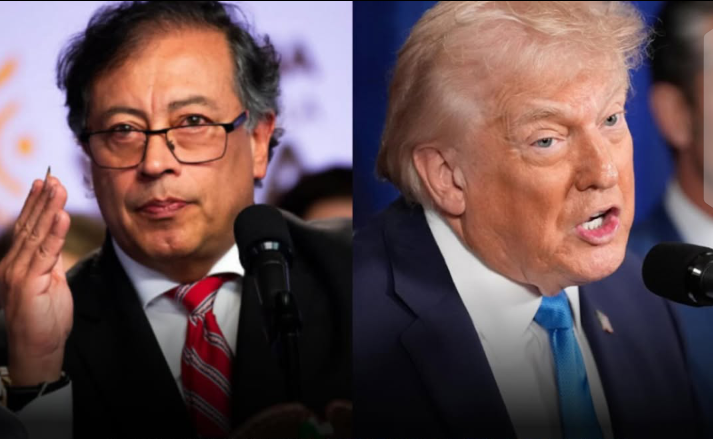
“Free Colombia Forever”: Petro’s Fiery Warning After Trump Signals Possible U.S. Strike
Tensions between Washington and Bogotá have escalated sharply after Colombian President Gustavo Petro issued one of the most defiant statements of his presidency, vowing to “take up arms” in defense of his country if the United States launches an attack. Petro’s remarks came in response to warnings from U.S. President
Tensions between Washington and Bogotá have escalated sharply after Colombian President Gustavo Petro issued one of the most defiant statements of his presidency, vowing to “take up arms” in defense of his country if the United States launches an attack. Petro’s remarks came in response to warnings from U.S. President Donald Trump, who suggested that Colombia and its leftist leader could become the next target of American anti-drug operations following the dramatic capture of Venezuelan leader Nicolás Maduro in Caracas.
The exchange has sent shockwaves across Latin America and beyond, raising fears of a dangerous confrontation between a key U.S. ally in the region and a White House that has adopted increasingly aggressive rhetoric on drugs, security, and regional leadership. For Colombia, a nation with a long and painful history of armed conflict, Petro’s words carry heavy symbolism and potentially far-reaching consequences.
In a strongly worded message posted on X, Petro declared that he would not hesitate to defend Colombian sovereignty if the country were attacked. “Know that you are facing a commander of the people. Free Colombia forever,” he wrote, framing his stance as a patriotic duty rather than a political provocation. He added that Colombian security forces have standing orders to protect him, the nation’s cities, and its territorial integrity, including confronting any foreign invaders who might attempt to operate on Colombian soil.
Petro’s declaration is particularly striking given his personal history. The Colombian president, a former member of the M-19 guerrilla movement, has repeatedly emphasized that he renounced armed struggle decades ago. After the 1989 Peace Pact, he publicly pledged never again to take up weapons, instead committing himself to democratic politics and institutional reform. His latest comments therefore represent a dramatic rhetorical shift, one he justified as an unavoidable response to what he described as an existential threat to the country.
The trigger for Petro’s reaction was a series of statements from Trump suggesting that Colombia could be America’s next focus in its intensified war on drugs. Speaking shortly after U.S. forces reportedly raided Caracas and captured Maduro and his wife, Trump warned Petro to “watch his a–,” implying that Colombia’s leadership might soon face similar action. Trump has accused Petro of being soft on drug traffickers and even alleged that elements within the Colombian government are involved in cocaine production destined for the United States.
Petro has categorically rejected those accusations, insisting that his administration is actively fighting illegal drug trafficking but through a different strategy. According to the Colombian leader, decades of militarized crackdowns have failed to dismantle the drug trade and have instead fueled violence, corruption, and human suffering. He argues that Colombia’s current approach focuses on targeting financial networks, offering alternatives to coca farmers, and addressing the social roots of the drug economy rather than relying solely on bombs and arrests.
In his response to Trump, Petro warned that any U.S. military action would have the opposite of its intended effect. He claimed that an attack on Colombia would only strengthen drug cartels by plunging the country into chaos and undermining legitimate institutions. He also cautioned that bombing suspected cartel positions could result in the deaths of children and civilians, whom he said criminal groups often use as human shields. Such an outcome, Petro warned, could trigger a humanitarian crisis with regional repercussions.
The Colombian president went further, suggesting that any attempt to arrest or remove him by force would provoke massive unrest. He described the Colombian people as a “popular jaguar,” a metaphor he has used before to evoke collective strength and resistance. According to Petro, an external attack or intervention would not be a surgical operation but a spark that could ignite widespread protests and potentially violent resistance across the country.
Trump, for his part, has shown little sign of softening his tone. The former and current U.S. president has long championed a hardline approach to drugs, often criticizing Latin American governments for what he sees as failures to stop narcotics from reaching American streets. By directly accusing Petro of links to cocaine trafficking, Trump has raised the stakes of the dispute, turning a policy disagreement into a personal and diplomatic clash.
The capture of Nicolás Maduro has further complicated the regional picture. Petro openly condemned the operation, calling it a violation of international law and national sovereignty. He demanded an emergency hearing at the United Nations Security Council, arguing that unilateral military actions by powerful nations set a dangerous precedent and threaten global stability. His call has been echoed by some regional leaders and international observers who fear that Latin America could once again become a stage for proxy conflicts and interventionist policies.
Reactions within Colombia have been mixed. Supporters of Petro praise him for standing up to what they view as U.S. bullying and for defending national dignity. They argue that Colombia has paid an enormous price in the global war on drugs and has the right to chart its own path without threats from abroad. Critics, however, accuse the president of reckless rhetoric that could jeopardize Colombia’s long-standing relationship with Washington, its largest trading partner and a key source of military and economic aid.
Diplomatic analysts warn that the war of words could have serious consequences if not quickly de-escalated. While an actual U.S. military attack on Colombia remains unlikely, even the perception of such a threat could destabilize markets, strain security cooperation, and embolden armed groups operating in remote regions. The situation also risks polarizing Latin America, forcing governments to choose sides at a time when many are already grappling with economic challenges and political uncertainty.
As of now, neither side has signaled a clear path toward dialogue. Petro’s appeal to international institutions contrasts sharply with Trump’s confrontational style, leaving little common ground for compromise. Yet history suggests that the cost of escalation would be high for both nations, not only politically but also in human terms.
For Colombia, a country still healing from decades of internal conflict, the prospect of external military pressure reopens old wounds. For the United States, pushing a key regional partner into open defiance could undermine broader strategic goals in the hemisphere. Whether cooler heads will prevail remains uncertain, but Petro’s stark warning has made one thing clear: Colombia’s president is prepared to frame any external threat as a battle for national survival, with all the risks that such framing entails.
Share this post
Related Posts
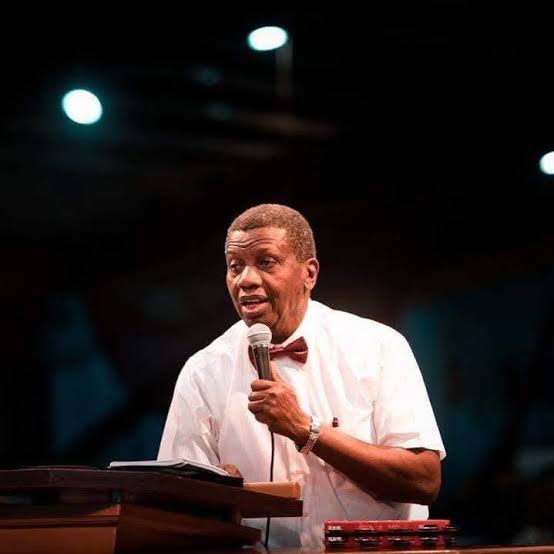
Act Fast or Risk It All: Pastor Adeboye Urges President Tinubu to Seek 100-Day Grace from U.S. and Crush Terrorism
In a rare and impassioned public appeal that has set off intense discussions across Nigeria’s...

VDM Finally Regains Freedom: Social Media Activist Released After Nationwide Outcry
Popular social media activist Martins Otse, widely known as VeryDarkMan (VDM), has regained his freedom...
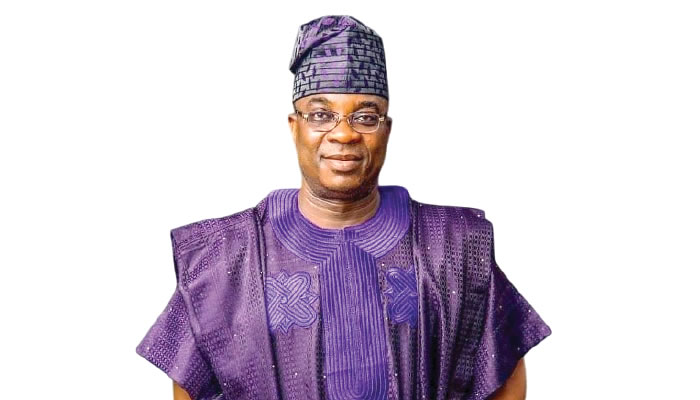
BREAKING: King Wasiu Ayinde Marshal Breaches Airport Security in Abuja, Sparks Aviation Safety Concerns
By Busterblog.com – August 6, 2025 A disturbing security lapse rocked Abuja’s Nnamdi Azikiwe International...