FG Approves N1.7 Million Annual Allowance for Professors in Renegotiated ASUU Agreement
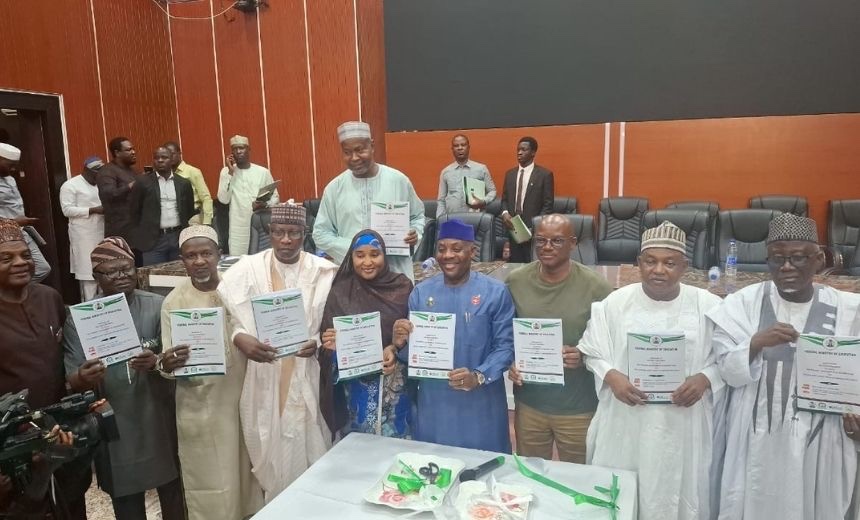
The Federal Government has approved a new annual allowance of N1.7 million for professors in Nigeria’s public universities, marking a significant outcome of the recently renegotiated agreement with the Academic Staff Union of Universities (ASUU). The development was officially unveiled on Wednesday when both parties signed the revised agreement, a
The Federal Government has approved a new annual allowance of N1.7 million for professors in Nigeria’s public universities, marking a significant outcome of the recently renegotiated agreement with the Academic Staff Union of Universities (ASUU). The development was officially unveiled on Wednesday when both parties signed the revised agreement, a move the government says is aimed at addressing long-standing grievances and curbing the cycle of strikes that has repeatedly disrupted the academic calendar.
According to details emerging from the agreement, the N1.7 million allowance forms part of a restructured welfare and remuneration framework for academic staff, with professors as the highest beneficiaries. The allowance is designed to recognize the seniority, research responsibilities, and administrative roles professors play in the university system, while also serving as an incentive to retain experienced scholars within the country’s public institutions.
Government officials involved in the negotiation described the agreement as a product of months of dialogue, consultations, and compromises on both sides. They noted that the revised structure goes beyond salary adjustments, focusing instead on targeted allowances, improved working conditions, and clearer timelines for addressing funding and infrastructural challenges facing universities. The approval of the N1.7 million annual allowance for professors is being presented as one of the most concrete gains of the talks.
For years, ASUU has argued that poor welfare packages, eroding salaries due to inflation, and inadequate funding of universities have contributed to declining academic standards and the steady migration of Nigerian academics to institutions abroad. Frequent strikes, often stretching for months, have become a defining feature of the public university system, disrupting students’ education and drawing criticism from parents, employers, and the wider public. The new agreement is being positioned by the government as a turning point in this troubled relationship.
Sources familiar with the agreement say the allowance structure is expected to be paid annually and reviewed periodically in line with economic realities. While professors are set to receive N1.7 million, other academic cadres will also benefit from adjusted allowances, though at varying rates depending on rank and responsibility. The government insists the structure is designed to be sustainable and tied to budgetary provisions to avoid future payment backlogs.
ASUU, in its initial reaction, welcomed the approval as a step in the right direction but emphasized that effective implementation would be the true test of the agreement. Union leaders recalled past accords that were signed with optimism but later stalled due to delays, partial implementation, or outright abandonment by successive administrations. They stressed that while the allowance approval addresses a key welfare concern, broader issues such as university funding, autonomy, and earned academic allowances remain critical.
Education analysts say the N1.7 million annual allowance reflects an acknowledgment by the government of the unique demands placed on professors, including supervision of postgraduate research, publication requirements, and leadership roles within faculties and departments. However, they also caution that without parallel investments in infrastructure, laboratories, libraries, and research grants, improved allowances alone may not translate into the desired improvement in academic output.
The federal government has maintained that the renegotiated agreement was shaped by current fiscal realities, particularly in the face of competing national priorities. Officials argue that the allowance approval demonstrates a willingness to make concessions while still maintaining budgetary discipline. They also expressed hope that the new agreement would foster industrial harmony and allow students to complete their programmes without the uncertainty of prolonged strikes.
Students’ groups and parents have reacted with cautious optimism to the announcement. Many see the agreement as a relief after years of disrupted academic calendars that have extended graduation timelines and increased the financial burden on families. Some students, however, remain skeptical, pointing out that previous agreements were often followed by renewed disputes within months. They are calling for transparent communication and regular updates on implementation to rebuild trust.
Within the academic community, reactions have been mixed. Some professors described the N1.7 million annual allowance as a meaningful improvement that acknowledges their contributions and sacrifices. Others argue that when adjusted for inflation and compared to earnings of academics in other countries, the allowance still falls short of what is needed to stem brain drain. They note that many Nigerian professors continue to seek visiting appointments or permanent positions abroad due to better pay, research funding, and working conditions.
The signing of the renegotiated agreement also comes amid broader conversations about reforming Nigeria’s education sector. Policymakers have repeatedly acknowledged that a stable university system is critical to national development, innovation, and workforce competitiveness. By addressing one of ASUU’s major demands, the government appears eager to signal seriousness about reform and dialogue rather than confrontation.
Implementation timelines outlined in the agreement reportedly include mechanisms for monitoring compliance and resolving disputes before they escalate into industrial action. Joint committees made up of government and ASUU representatives are expected to oversee the rollout of the new allowance structure and address emerging issues. This approach, officials say, is intended to prevent misunderstandings that have derailed past agreements.
As news of the N1.7 million annual allowance continues to circulate, attention is now shifting to what happens next. For many observers, the true impact of the agreement will be measured not by the signing ceremony but by consistent payments, improved morale among lecturers, and uninterrupted academic sessions. If successfully implemented, the deal could mark a rare period of stability in Nigeria’s public universities.
For now, the federal government is projecting confidence that the renegotiated agreement with ASUU represents a new chapter in labour relations within the education sector. ASUU, while welcoming the progress, remains watchful. Students and parents, weary from years of uncertainty, are hoping that this latest agreement will finally translate into lasting peace on campus and a more predictable future for public university education in Nigeria.
Share this post
Related Posts

Flavour And Odumeje Step Out In Matching Leather As Social Media Declares Them “WAR READY”
The internet exploded into laughter, shock, and wild imagination after a viral photo surfaced showing...

“Black Stars to the World Cup Final?” Prophet Nigel Gaisie’s Bold 2026 Prediction Sparks Hope and Debate
A bold prophecy has once again thrust Ghana’s national football team into the center of...

Horror at 30,000 Feet: Cargo Plane Crashes into Sea at Hong Kong Airport, Killing Two Ground Staff in Tragic Dawn Disaster
A heartbreaking tragedy unfolded in the early hours of Monday at Hong Kong International Airport...