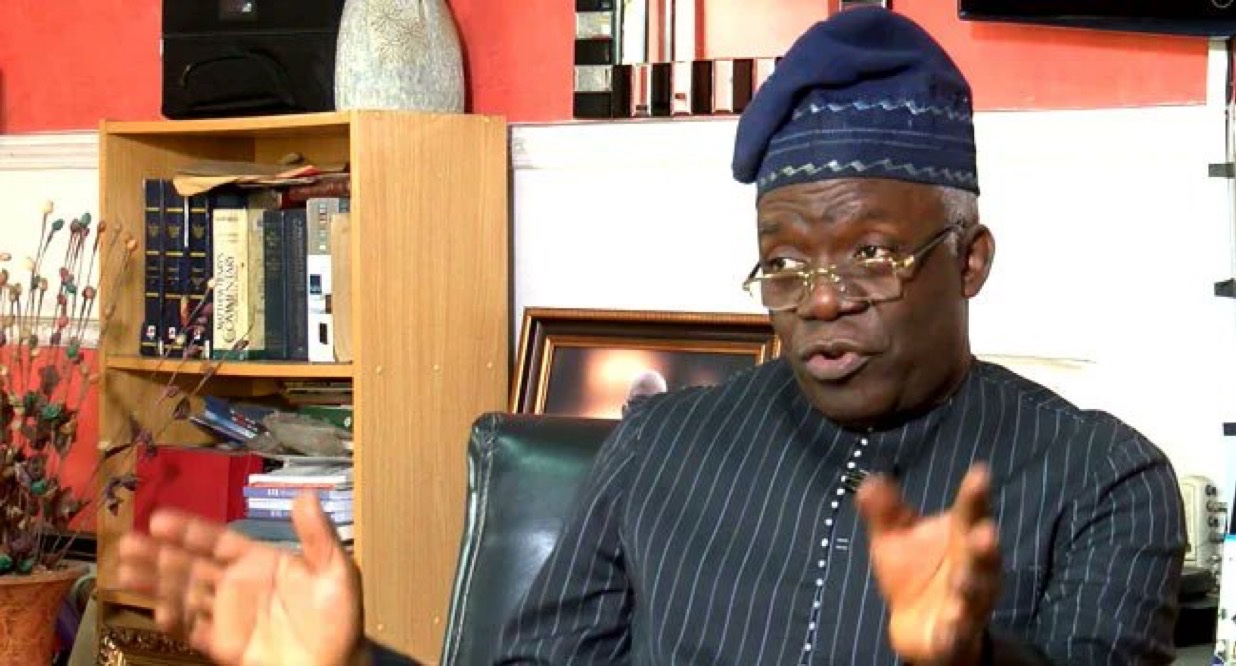
Femi Falana Alleges IMF, World Bank Pressure Behind Nigeria’s Subsidy Removal
The storm over Nigeria’s 2023 fuel subsidy removal has taken a fresh turn after senior lawyer and human rights advocate, Femi Falana, alleged that the World Bank and International Monetary Fund (IMF) pressured the Tinubu administration into scrapping the policy in exchange for loan approvals.Falana, speaking against the backdrop of
The storm over Nigeria’s 2023 fuel subsidy removal has taken a fresh turn after senior lawyer and human rights advocate, Femi Falana, alleged that the World Bank and International Monetary Fund (IMF) pressured the Tinubu administration into scrapping the policy in exchange for loan approvals.
Falana, speaking against the backdrop of mounting economic hardship, claimed the sudden tripling of petrol prices was less about reform and more about bowing to foreign demands. He pointed to the long history of IMF and World Bank calls for subsidy removal, arguing that their insistence on fiscal efficiency came at the expense of Nigeria’s vulnerable population.
The World Bank and IMF, for their part, have repeatedly denied coercing Abuja into the move, insisting they only offer policy advice, not conditions. Yet the optics of Nigeria securing international financial support soon after the subsidy cut has fueled speculation.
Nigeria’s fuel subsidies had cost the nation billions of dollars annually, with proponents of removal insisting it drained government revenues, fueled corruption, and left infrastructure underfunded. But critics like Falana counter that the policy shift was brutally executed without building social safety nets, leaving ordinary Nigerians crushed under skyrocketing transport fares, food inflation, and rising energy costs.
For many, the removal has become a symbol of an economic reform agenda that favors balance sheets over human lives. While international lenders hail it as a “necessary step,” the lived reality for millions of Nigerians is worsening hardship and dwindling purchasing power.
The controversy underscores a broader debate: should developing nations design economic reforms around international financial institutions’ playbooks, or around homegrown policies tailored to shield their citizens?
For now, Falana’s claim reignites public anger, and unless the government cushions the impact, subsidy removal may remain one of the most unpopular economic policies in Nigeria’s recent history.
Share this post
Related Posts

“I Owe You Loyalty Forever”: IVD’s Emotional Tribute to Blessing CEO After Release From Prison Custody
In a moment that has quickly captured public attention and ignited conversation across social media,...

When Love Becomes War: IK Ogbonna Sparks Conversation on the Silent Power Struggles Destroying Modern Marriages
In an era where social media highlights the glitz and glamour of romantic relationships, Nollywood...

From the Pitch to the Pulpit: Hulk’s Marriage to Ex-Wife’s Niece Sparks Storm of Criticism
Brazilian football star Hulk has found himself at the center of a fierce public backlash,...