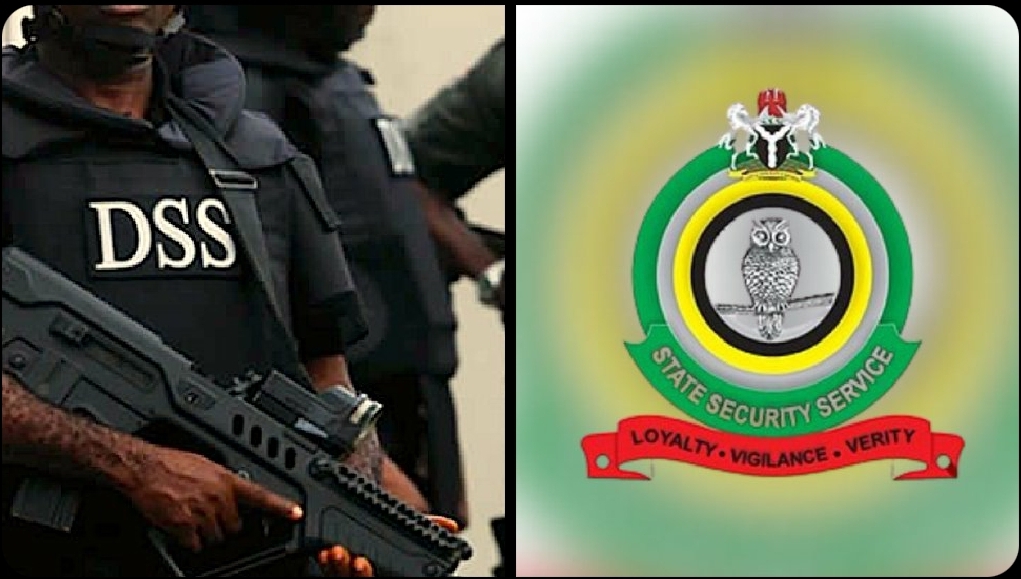
DSS Pressures Meta to Take Down Sowore’s Page Amid Rising Digital Censorship
Nigeria’s Department of State Services (DSS), the powerful intelligence agency created in the aftermath of the 1976 coup under General Olusegun Obasanjo, is once again at the center of controversy — this time for allegedly pressuring Meta, parent company of Facebook and Instagram, to remove the official page of activist
Nigeria’s Department of State Services (DSS), the powerful intelligence agency created in the aftermath of the 1976 coup under General Olusegun Obasanjo, is once again at the center of controversy — this time for allegedly pressuring Meta, parent company of Facebook and Instagram, to remove the official page of activist and publisher Omoyele Sowore.
According to sources familiar with the matter, the DSS accused Sowore of spreading defamatory content against top government officials, a charge that dovetails with his recent online allegations.
Earlier this year, the fiery human rights campaigner ignited public uproar when he claimed — without evidence — that female police officers were romantically linked to the Inspector-General of Police, a statement that drew sharp condemnation nationwide.
The move signals a shift in Nigeria’s internal security strategy from boots on the ground to fingers on keyboards, where national intelligence increasingly collides with digital free speech. While the DSS has historically been accused of overreach — most recently issuing a disclaimer over allegations of invading SERAP’s Lagos office — its push against Sowore marks one of the clearest examples yet of state power extending into the domain of Big Tech.
Globally, this playbook is not new. A 2022 study in the Journal of Cybersecurity found that governments are now weaponizing takedown requests as part of broader censorship campaigns. Meta’s own transparency report revealed that in 2024, nearly 60% of all takedown requests from African governments targeted political dissent rather than issues of terrorism or public safety.
Nigeria’s current approach fits squarely within that trend, raising alarms among free speech advocates who argue that dissent is being quietly suffocated under the guise of national security.
For Sowore, whose history of run-ins with Nigerian security services includes arrests, bans, and accusations of treason, this latest attempt to silence his voice online underscores the precarious state of activism in a digital-first world. For the DSS, it represents an evolving strategy: winning the battle for narratives before they ever reach the streets.
The question now is whether Meta, under the weight of state pressure, will comply. And if it does, what does that mean for the future of digital dissent in Nigeria, where the line between security and suppression has never been more blurred?
Share this post
Related Posts

Crowned in Law: Brilliant Graduate Becomes Internet Sensation as He Flaunts His Nigerian Law School Awards
In a stunning display of academic brilliance and well-earned celebration, a young Nigerian man has...
“Sorry to Brag but I Have the Most Beautiful Daughters Ever” – Annie Idibia Gushes Over Her Girls
Nollywood actress and wife of legendary musician 2Baba, Annie Idibia, has once again melted hearts...
Kwara Massacre: Horror Unfolds as Community Struggles to Comprehend the Scale of Loss
The quiet town of Kaiama in Kwara State was plunged into unimaginable grief and horror...