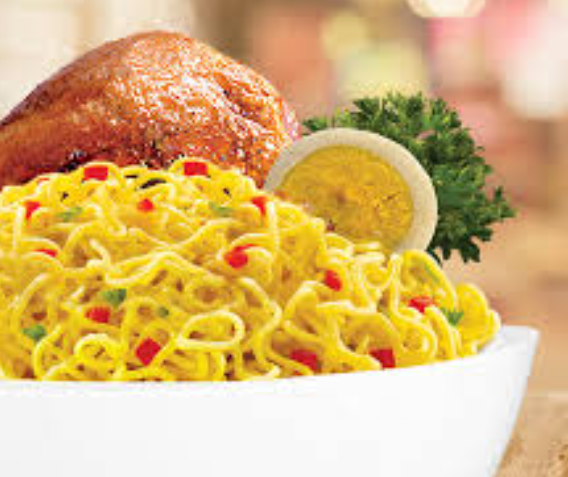
Cold Indomie, Hot Takes: Twitter Users Turn Everyday Struggles Into Viral Comedy
In the fast-paced, scroll-happy world of Twitter, a simple breakfast mishap became the stage for one of the funniest viral exchanges of the week. Nigerian Twitter user Loveey O (@corazonlove) kicked things off with a tweet that many would immediately relate to: “Cold indomie that has taken the shape of
In the fast-paced, scroll-happy world of Twitter, a simple breakfast mishap became the stage for one of the funniest viral exchanges of the week. Nigerian Twitter user Loveey O (@corazonlove) kicked things off with a tweet that many would immediately relate to: “Cold indomie that has taken the shape of the flask >>>>>>>> one.” In just a few words, Loveey O perfectly captured the disappointment, nostalgia, and weird pride that comes with eating leftover noodles—an experience so ordinary it resonates with anyone who has ever been in a hurry or too tired to cook properly.
The tweet, at first glance, might seem trivial. But Twitter, as always, had bigger plans. Within hours, responses poured in, some sympathetic, some hilarious, and others turning the seemingly mundane into something far deeper. Among the replies that caught fire was Adedamola (@Adedamohlarr), who replied with characteristic Nigerian Twitter humor: “Your own trauma nah permanent.” It was the perfect counterpunch—acknowledging the shared pain of life’s minor disappointments while also poking fun at the overdramatization of everyday struggles.
This exchange exemplifies a trend that has been dominating social media: taking the smallest, most relatable moments and turning them into comedy gold. Cold indomie, shaped like a flask after being stored, might sound silly on paper. Yet, the internet has a unique ability to take these micro-experiences—leftover food, bad hair days, a messy desk—and turn them into a kind of cultural shorthand. For many, it’s a digital way to say, “I see you, I get you, I’ve been there too.”
The brilliance of this particular tweet thread lies in its relatability. Nigerians, especially, know the struggle of cold indomie. The instant noodles, beloved for their affordability and ease of preparation, often become the last resort for students, late-night workers, and anyone caught in the chaotic rhythm of modern life. When stored and reheated—or sometimes left untouched—these noodles harden, lose their original texture, and occasionally take on a shape dictated by the container they inhabit. A flask, a mug, or even a leftover plastic bowl suddenly becomes a mold of culinary disappointment. And yet, as Loveey O suggests, there is a strange pride in that experience. Eating the cold indomie is both a defeat and a small triumph, a sign that life goes on even when you don’t have the perfect meal.
Adedamola’s reply, “Your own trauma nah permanent,” elevated the conversation. It wasn’t just about noodles anymore; it was about the human tendency to turn ordinary hardships into personal drama. Twitter users around the globe understand the exaggeration inherent in this kind of humor. What seems like a minor inconvenience—a cold meal—becomes a metaphor for life’s enduring struggles. By calling it “permanent trauma,” the tweet connects the dots between everyday frustrations and the universal feeling of battling constant, minor setbacks.
What makes this interaction particularly compelling is how it reflects the power of social media to create shared experiences. Millions of people have eaten cold noodles or endured small, unremarkable disappointments that sting more than they should. In one sense, a tweet about indomie is about food; in another, it’s about community. The internet, with its vast network of observers and participants, transforms solitary experiences into collective narratives. A single user’s joke about cold noodles suddenly resonates with thousands—or even millions—of others, each with their own version of the story.
The exchange also underscores the unique humor style prevalent on Nigerian Twitter. Often called “Naija Twitter,” the platform is known for its sharp wit, irreverent takes on daily life, and ability to turn almost any mundane moment into comedy. This thread is a textbook example. Loveey O sets the stage with a hyper-specific scenario, and Adedamola delivers the punchline by reframing the experience through the lens of exaggerated emotional trauma. The result is content that is simultaneously funny, relatable, and a bit absurd—all hallmarks of viral social media success.
Interestingly, the conversation goes beyond mere entertainment. It sparks reflection about how we cope with disappointment in life. The cold indomie serves as a symbol of resilience. We all face situations that don’t go as planned—missed deadlines, unmade plans, meals gone wrong—but somehow, we keep going. The indomie in the flask is an emblem of those small yet significant moments where life doesn’t hand us the ideal outcome, but we adapt anyway.
This kind of viral content also highlights how humor functions as a social coping mechanism. Laughter, especially at shared struggles, creates connection. When Adedamola refers to cold noodles as “permanent trauma,” the joke works because it is grounded in a truth we all recognize: life is full of minor tragedies that feel disproportionately important in the moment. Through humor, users acknowledge the frustrations of daily existence, making them easier to bear. It’s a form of collective therapy, delivered in 280-character bursts.
Twitter users were quick to join in, sharing their own cold indomie stories, sometimes with pictures, sometimes with equally hyperbolic humor. Some boasted of eating cold noodles shaped like water bottles or pots, while others lamented their inability to properly store leftovers. Each response builds on the original tweet, forming a mosaic of relatable experiences. The thread becomes more than just about food—it becomes a virtual space where people share a slice of life that is both ordinary and deeply human.
The viral nature of this interaction reminds us that content doesn’t need to be grand or sensational to capture attention. A tweet about cold indomie—a humble, inexpensive, and widely consumed meal—can spark a nationwide conversation, inspire memes, and leave users laughing for days. In a world saturated with viral news about celebrity antics, political scandals, and global crises, it’s refreshing to see everyday life elevated to social media stardom. It’s proof that humor doesn’t need scale to resonate—it only needs authenticity.
Ultimately, this Twitter exchange between Loveey O and Adedamola is more than just a moment of online laughter. It’s a celebration of shared human experiences, a nod to the small battles we all fight, and a reminder that even the most trivial inconveniences—like cold noodles shaped by a flask—can bring people together. It’s a microcosm of life itself: imperfect, messy, sometimes disappointing, but endlessly relatable and often funny.
So, the next time you find yourself staring at a meal that has lost its warmth or a plan that didn’t go quite right, remember the cold indomie saga. Whether it becomes a viral tweet or just a private struggle, there is humor, resilience, and connection in every small moment. Life may give you cold noodles, but at least Twitter—and the world—will share the laugh with you.
Share this post
Related Posts
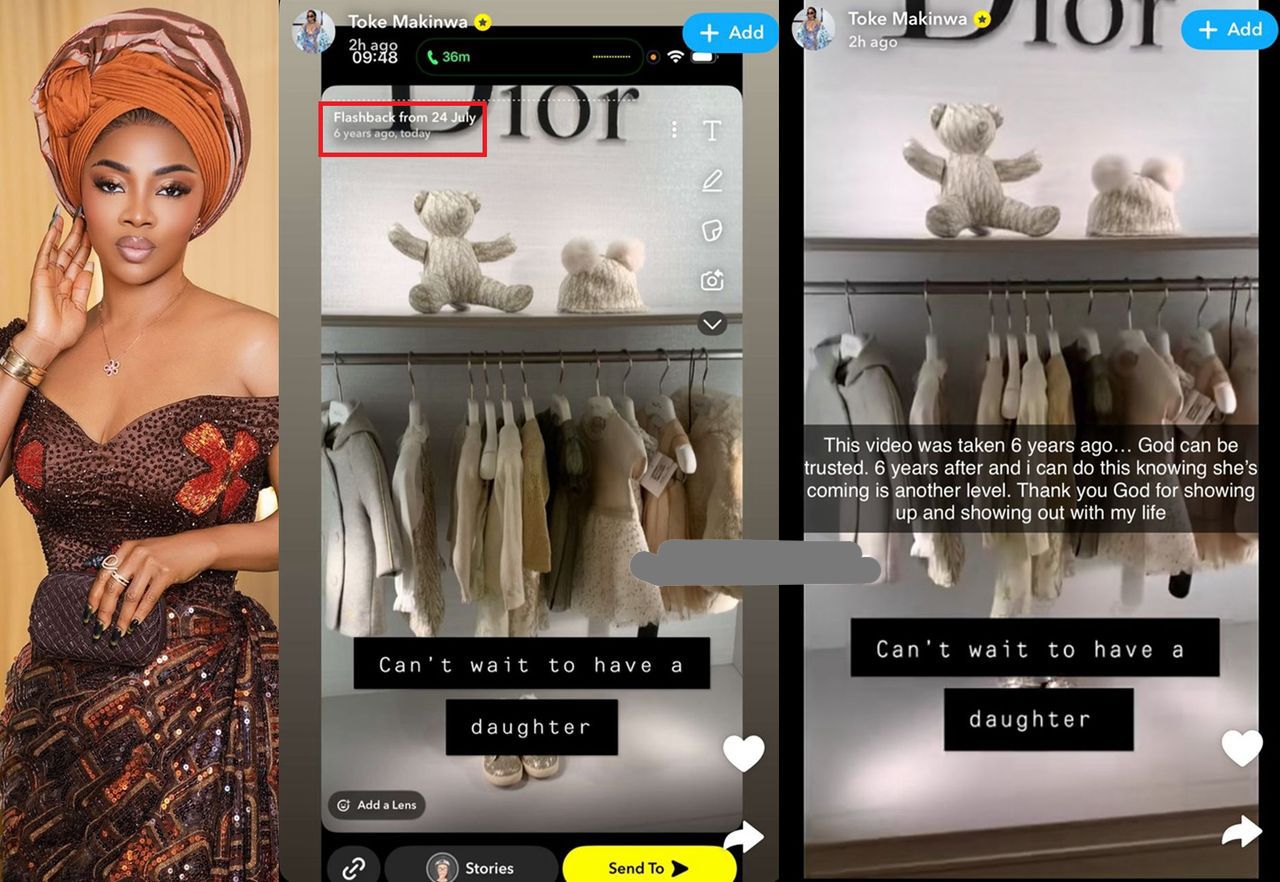
Dreams Do Come True: Toke Makinwa’s Six-Year-Old Wish for a Daughter Becomes Reality
In the age of social media where memories are carefully documented and time has a...

From Many to One: Woman Opens Up About Why She Ditched Multiple Boyfriends for Monogamy
In a candid revelation that has sparked conversations across social media, a young woman has...

Annie Macaulay Reclaims Her Identity with Bold Statement at the 2025 Headies Awards
At the 17th Headies Awards, which took place on Sunday, April 27, at the Landmark...