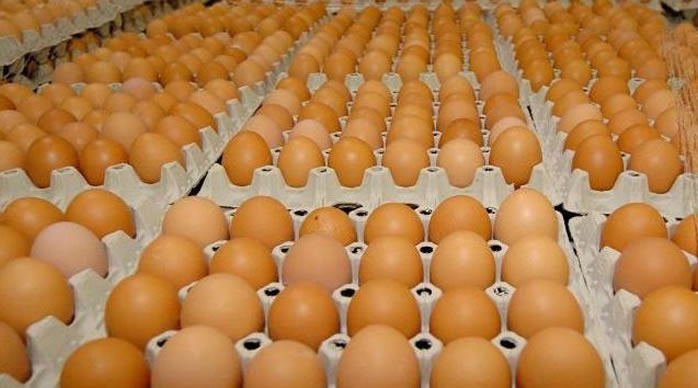
BREAKING: Poultry Farmers Association of Nigeria Sounds Alarm on Falling Egg Sales
In a concerning development for Nigeria\'s agricultural sector, the Poultry Farmers Association of Nigeria (PFAN) has highlighted a significant drop in egg sales across the country, as reported in a recent post on X by Nigeria Stories on May 9, 2025. This alarming trend marks a stark contrast to earlier
In a concerning development for Nigeria\'s agricultural sector, the Poultry Farmers Association of Nigeria (PFAN) has highlighted a significant drop in egg sales across the country, as reported in a recent post on X by Nigeria Stories on May 9, 2025.
This alarming trend marks a stark contrast to earlier market dynamics, such as the egg oversupply crisis in 2023, which forced poultry farmers to slash prices to offload their perishable stock.
Back then, the glut led to substantial financial losses for farmers, as eggs, being highly perishable, could not be stored for long.
This earlier situation was documented by Nairametrics, which noted that PFAN had appealed to the Federal Government for intervention to stabilize the market.
Fast forward to 2025, and the poultry industry is grappling with a new challenge: declining demand. According to responses to the Nigeria Stories post, egg prices have skyrocketed, with a crate now costing between 5,500 and 5,800 Naira—a dramatic increase from the 1,000 Naira price point mentioned by users.
This price surge has transformed eggs from an affordable dietary staple into a luxury item for many Nigerian households, drastically reducing consumer demand.
Users on X pointed out that the high cost of poultry feed, which constitutes a significant portion of production expenses, is a major factor behind the price hike.
Research from the Nigerian Institute of Animal Science (NIAS) supports this, indicating that feed costs can account for up to 70% of total poultry farming expenses, putting immense pressure on farmers’ margins.
The economic context further exacerbates the issue. With inflation and reduced purchasing power affecting the average Nigerian, many families are cutting back on non-essential food items, including eggs.
Replies to the X post reflect this sentiment, with some users suggesting that Nigerians consider raising their own chickens as a more cost-effective alternative to purchasing eggs at current market rates.
Others highlighted the structural challenges in the poultry industry, such as the high cost of feed and the inconsistent laying patterns of hens, which make the business increasingly risky for farmers.
Despite government efforts to bolster the poultry sector, such as the 2017 feed processing regulations aimed at improving production and market standards, the industry continues to face significant hurdles.
Data from sources like Statista, which projected growth in Nigeria’s egg market from 2021 to 2025, now seems at odds with the current reality of declining sales and unaffordable prices.
The interplay of rising production costs, economic hardship, and shifting consumer behavior has created a perfect storm for poultry farmers, threatening the sustainability of this vital agricultural sector in Nigeria.
Share this post
Related Posts

Cher, 79, Set to Marry 39-Year-Old Boyfriend Without Prenup as Internet Reacts to Shocking Wedding Plans
Global entertainment icon Cher has once again proven that she is forever untouchable, unpredictable, and...

“No Leave, No Transfer” — Cubana Chiefpriest’s Wife Deangels Shuts Down Rumours in Viral Video
Deangels, the wife of Nigerian socialite and nightlife king Cubana Chiefpriest, has sparked fresh conversations...

Fuel Subsidy Removal Wasn’t the Problem—It Was the Chaos Around It, Says Peter Obi
In a candid and pointed new interview, Labour Party presidential candidate and former Anambra State...